
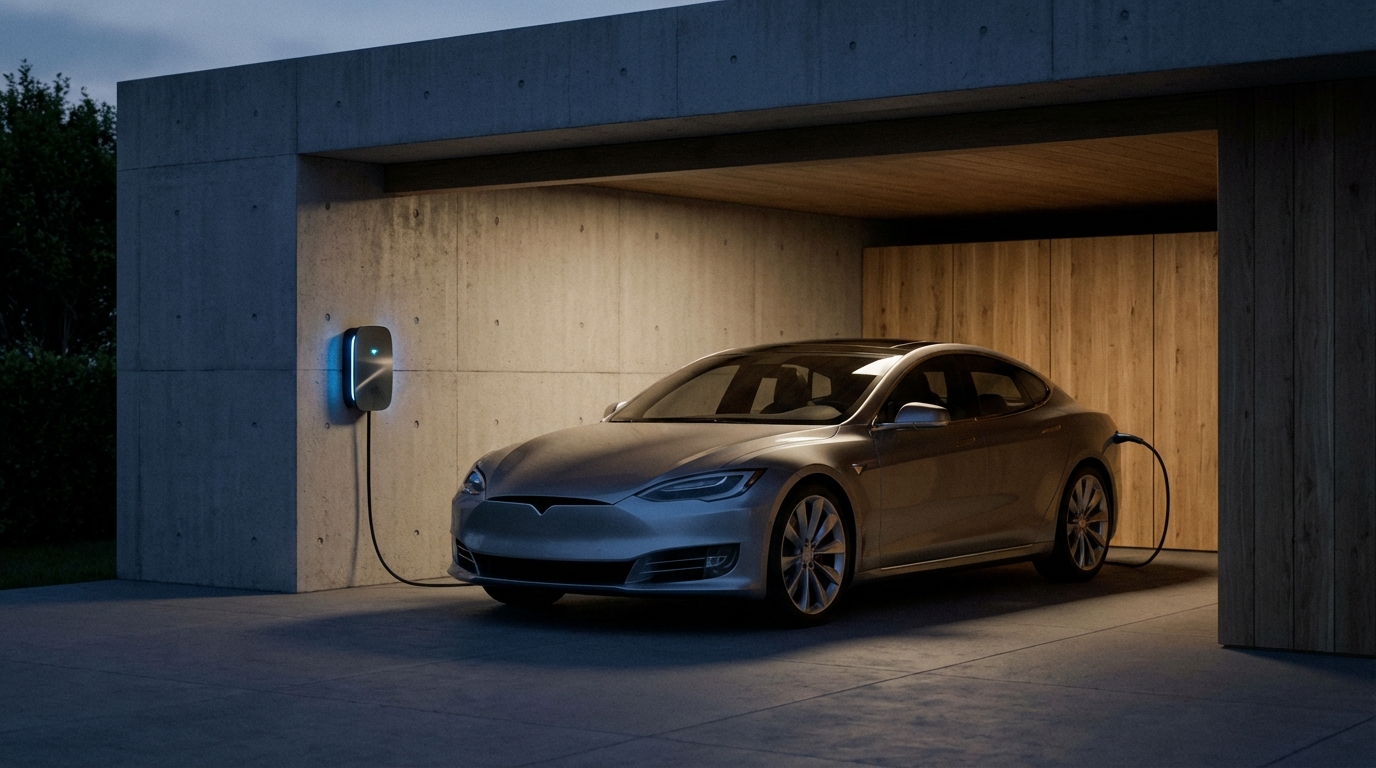
In short: Home charging station for an electric vehicle usually costs ₪4,000–₪6,000 including installation in a private home, and₪7,000-₪10,000 in an apartment building where a connection has to be split from the meter and a long cable run. The price is made up of three parts: the station itself (about ₪1,600–₪3,300), the installation work (about ₪2,500–₪3,000 for up to 30 meters of cable) and site-specific extras – additional meters, splitting from the meter, a cabinet or pedestal, and sometimes an electrical connection upgrade with the Israel Electric Corporation (IEC). The final price is set only after checking the electrical panel, the distance to the parking space and the connection size.
Updated: November 2026
DSGCharge is one of Israel's leading companies in EV charging solutions. DSGCharge is the importer of its charging stations – the brand is DSGCharge's own. The company has been active since 2021, about 20,000 chargers and charging stations have been sold and installed, and its installation and service teams operate nationwide. The prices in this guide are DSGCharge store prices. For the full installation process: EV charging station installation; for all models and accessories: EV charging stations.
📊 Guide highlights (updated November 2026)
- Home station 11-22kW: ₪1,590-₪2,390. Managed station for a building: ₪3,290.
- Standard installation: ₪2,590 up to 20 meters of cable, ₪2,990 up to 30 meters, and each additional meter ₪69.
- Connection upgrade from 3X25 to 3X40 amps: a payment to the IEC of about₪2,900 before VAT, plus electrician work.
- Charging at home costs about₪10 per 100 km – compared with about₪65 in a gasoline car.
For all models and current prices, see the EV charging stations in our store.
Home charging station price list 2026
The price of a station depends mainly on its power (how fast it charges), its smart features (app, RFID, load management, OCPP) and whether it's intended for a private home or a shared parking garage. These are DSGCharge's prices, alongside the market price range:
| Station type | Suitable for | DSGCharge price | Market range |
|---|---|---|---|
| Smart charging station 11kW (DSG-1061) | Private home with a three-phase connection, most electric vehicles. Activation via RFID, app or Plug&Play | ₪1,590 | ₪1,200-₪2,200 |
| Smart charging station 22kW (DSG-1062) | Vehicles that support 22kW AC charging, or anyone who wants headroom for the future | ₪1,790 | ₪1,200-₪2,500 |
| Advanced smart charging station 22kW (DSG-1072) | Like the DSG-1062, with Wi-Fi in addition to Bluetooth – monitoring and charging control through the app even when you're away from home | ₪2,390 | ₪1,700-₪3,000 |
| Managed charging station 22kW (DSG-6012) | Apartment building, parking facility, business – per-user billing and load management | ₪3,290 | ₪2,400-₪4,000 |
| Dual charging station 2×11kW / 2×22kW | Two electric vehicles in the same parking area | ₪5,990-₪6,490 | ₪5,000-₪8,000 |
| Granny cable / portable EV charger up to 3.7kW (DSG-350) | Backup and occasional charging from a household socket (up to 10 amps), with no installation | ₪699 | ₪700-₪1,500 |
💡 How much power do you really need? Most electric vehicles in Israel charge on AC at up to 11kW, so a 22kW station won't charge them any faster. It's worth the small price difference only if your car supports 22kW, if you plan to replace your car, or if you want to share the power between two vehicles. With a single-phase connection, the maximum is about 7kW anyway. More on this topic: 11kW or 22kW station – which is better.
How much does installation cost?
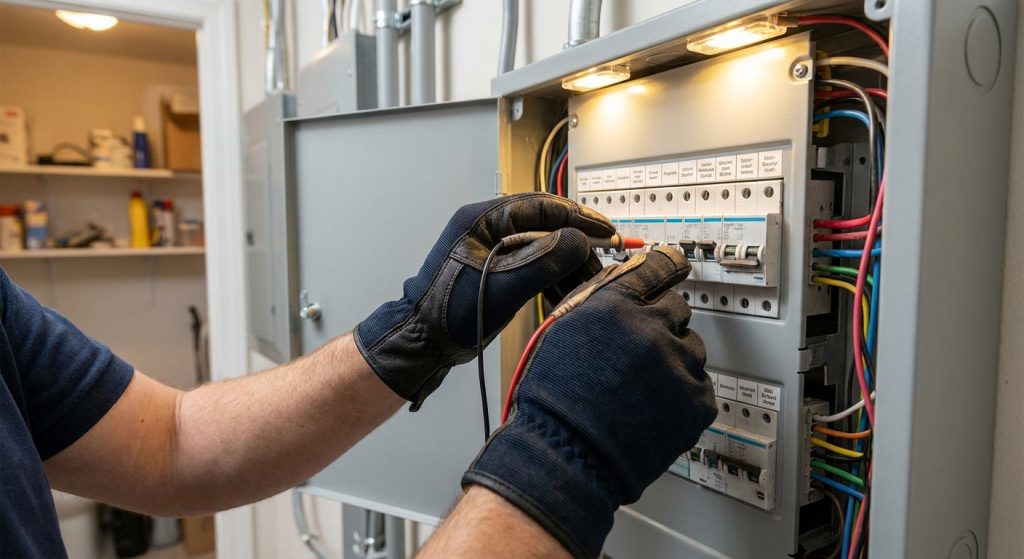
The installation work is the part that varies most from home to home. A standard installation includes a dedicated circuit breaker in the electrical panel, residual current protection, running the cable in an external conduit to the parking space, mounting the station, commissioning and testing.
| Component | DSGCharge price | Notes |
|---|---|---|
| Standard installation up to 20 meters of cable | ₪2,590 | In an external conduit, including connection to the panel and commissioning |
| Standard installation up to 30 meters of cable | ₪2,990 | Suitable for most parking spaces in private homes and small parking lots |
| Each additional meter of cable | ₪69 per meter | Beyond the meters included in the installation |
| Splitting the connection from the IEC meter | ₪2,790 | Includes a splitter panel next to the meter, payment to the IEC for disconnection and reconnection, and inspector approval |
| apartment building installation survey | ₪690 | The amount is credited against the installation cost if you install with us |
| Charging station cabinet – wall-mounted / Pole-mounted | 790 / ₪1,390 | Protection against vandalism and weather in open parking |
| Telescopic pedestal for mounting a station | ₪690 | When there's no wall next to the parking space |
What a standard installation doesn't include: Construction work such as chiseling into a wall, lifting interlocking pavers, cutting asphalt, digging, pouring concrete or drywall work, as well as an electrical connection upgrade with the IEC. In a professional quote these items appear separately, so they don't come as a surprise at the end.
3 examples of total cost
To see how the numbers add up, here are three common cases based on the price list above:
| Scenario | What's included | Estimated cost |
|---|---|---|
| Private home, electrical panel close to the parking space | 11kW station (₪1,590) + installation up to 20 meters (₪2,590) | About ₪4,180 |
| Private home, distant parking space (35 meters) | Smart charging station 22kW (₪2,390) + installation up to 30 meters (₪2,990) + 5 additional meters (₪345) | About ₪5,725 |
| Apartment building, basement parking (40 meters from the meter) | Managed charging station (₪3,290) + installation up to 30 meters (₪2,990) + 10 additional meters (₪690) + splitting from the meter (₪2,790) | About ₪9,760 |
If you also need an electrical connection upgrade, chiseling or a cabinet, add them to the total. Want a calculation for your home? installation cost calculator gives an initial estimate within a minute.
7 factors that determine the final price
- The distance from the electrical panel to the parking space. This is the most significant factor. The cable for a three-phase station is thick and expensive, and every meter beyond what's included in the installation costs money – and labor.
- The cable route. Running it in a wall-mounted conduit is the simplest. Passing through shafts, ceilings, several floors or under flooring adds to the cost.
- Construction work. Chiseling, lifting pavers, digging or cutting asphalt are priced separately, and sometimes require an additional tradesperson.
- Condition of the electrical panel. In many homes the station isn't the problem – the panel is. An old panel with no free space or without suitable protections requires adaptation or a sub-panel.
- Size of the electrical connection. If the existing connection (for example, 3X25 amps) isn't enough for the station and the home together, there are two options: a connection upgrade with the IEC, or a station with load management that adjusts the charging rate to the household consumption. More on this: Upgrading the connection to 40 amps vs. a load management system.
- Private home or apartment building. In a building you usually need to split a connection from the apartment's meter or connect to shared infrastructure with metering for each resident – and this changes both the type of station and the scope of work.
- Station type and extras. A managed charging station with per-user billing, a protective cabinet, a pedestal, a separate meter – each of these adds to the cost, but sometimes saves much more later on.
Electrical connection upgrade: how much does it cost and when is it needed?
An 11kW station consumes roughly as much as a large air conditioner running nonstop. In a home with a 25-amp three-phase connection, running the station together with air conditioners, an oven and a water heater can trip the main circuit breaker. In that case there are two options:
- Upgrading the connection to 3X40 amps. According to the Electricity Authority's tariff book (July 2026), the connection fee to the IEC for moving from 3X25 to 3X40 in a single apartment is about ₪2,900 before VAT, and the annual capacity charge rises by about ₪76 a year. On top of that comes the electrician's work. The IEC states a lead time of up to 30 working days from payment, and longer if grid work is required.
- A station with load management. The station measures household consumption and lowers the charging rate when necessary – without upgrading the connection. In most homes this is the cheaper and faster solution.
A certified electrician should check the existing connection before you decide. The order with the IEC is placed by the consumer registered on the electricity account.
Installation in an apartment building: what's different about the price?
In an apartment building, installation is almost always more expensive than in a private home, because the parking space is far from the apartment and the meter, and the cable runs through common areas. There are two main ways to connect the station:
- Splitting from the apartment's meter – the station is connected to the resident's electricity account, so there's no need to settle accounts with the building committee. Suitable when there are only one or two residents with an electric vehicle.
- Shared infrastructure with managed charging stations – the building sets up a single infrastructure for the whole parking garage, and each resident pays for their own consumption through a management and payment system. Suitable when more residents are switching to electric vehicles, and it prevents duplicate cables running from every apartment.
Before getting a quote in a building, it's worth ordering a Installation survey: a surveyor comes to the building and checks the route from the meter to the parking space and what's required – and the quote you receive afterward is accurate. Information about your rights with the building committee: the law on installing a charging station in an apartment building, and about the solution for the whole building: Charging station installation in apartment buildings.
How much does a managed charging station cost in an apartment building, and what's the monthly cost?
The DSG-6012 managed charging station (22kW) costs ₪3,290 in the DSGCharge store, plus the installation cost depending on the distance from the infrastructure. The service fee for a managed charging station is ₪35 per month + 20 agorot per kWh. The station is connected to a cloud management system that divides power among the stations (load management) and bills each resident for their own consumption.
| Model | Who invests in the infrastructure | Commitment |
|---|---|---|
| The building invests | The building / the residents | No commitment |
| DSGCharge invests | DSGCharge | 10-year commitment |
As of November 2026.
A full explanation of the solution for the whole building: Managed charging stations in apartment buildings. To calculate the monthly charging cost under the TOU tariff: Charging cost calculator.
Why not to choose a station based on price alone
The common mistake is comparing station prices before checking the infrastructure. A station that's ₪300 cheaper isn't worth much if, after ordering, it turns out the panel isn't suitable, the connection is too small, or the station doesn't support the load management the building will require later. Here's the right order:
- Checking the electrical panel, the connection size and the distance to the parking space.
- Choosing a power rating and station type that suit the infrastructure and the vehicle – not just the price.
- Getting a detailed quote that includes all the items.
A station with open communication (OCPP) and load management costs a little more, but it's the one that will allow connection to the building's system, billing by consumption and upgrades without replacing equipment when the second resident buys an electric vehicle.
Checklist: what to check in a quote
- Does the price include the station, installation, commissioning and testing – or only some of them?
- How many meters of cable are included, and what's the price for each additional meter?
- Which construction work is not included (chiseling, lifting flooring, digging)?
- Has the electrical connection size been checked, and is an upgrade or load management required?
- Is the installation performed by a certified electrician and inspected?
- What's the warranty on the station and the installation, and who provides service after installation?
- Does the station support OCPP and load management – in case the building sets up a shared system?
How much does charging itself cost after installation?
Once you've invested in a station, charging at home is the cheapest way to charge: about ₪10 per 100 km on the uniform residential tariff, and less than that during off-peak hours on the TOU tariff. A driver who covers 20,000 km a year saves about ₪11,000 a year compared with gasoline, so a station with installation usually pays for itself in less than a year.
All the tariffs, night and TOU plans, the cost of a full charge and a comparison table with gasoline – in the dedicated guide: How much does it cost to charge an EV at home.
Frequently asked questions
How much does a home charging station cost including installation?
In a private home where the panel is close to the parking space – about ₪4,000–₪4,500 (an 11kW station and installation up to 20 meters). For a distant parking space or with an advanced smart charging station – about ₪5,000–₪6,000. In an apartment building with splitting from the meter – usually ₪7,000–₪10,000.
Can you get a final price over the phone?
You can get an estimate, but a final price requires knowing the distance from the panel to the parking space, the condition of the panel and the connection size. So for a private home, photos of the panel and parking space are sent, and in an apartment building an on-site survey is recommended.
A 7kW, 11kW or 22kW station – what's the price difference?
The difference in the station price is small – a few hundred shekels. The real difference is in the infrastructure: an 11 or 22kW three-phase station needs a three-phase connection and a thicker cable. In a home with a single-phase connection, the maximum is about 7kW.
Do you have to upgrade the electrical connection?
Not always. If the existing connection isn't enough, you can upgrade it with the IEC (about ₪2,900 before VAT for moving from 3X25 to 3X40, plus electrician work), or install a station with load management that adjusts charging to household consumption.
How long does installation take?
A standard installation in a private home usually takes a few hours on a single day. In an apartment building, and especially when splitting from the meter or a connection upgrade is needed, the timeline also depends on approvals and on the IEC.
Which is better in a building: splitting from the meter or a managed charging station on shared infrastructure?
For a single resident with an electric vehicle, splitting from the meter is simple and clear – the charging goes on their own electricity bill. When there are, or are expected to be, several residents with electric vehicles, shared infrastructure with managed charging stations and billing by consumption is cheaper for each resident and saves duplicate cables.
Is a smart charging station worth the extra cost?
Yes, in most cases. The price difference is a few hundred shekels, and it lets you schedule charging for cheaper TOU hours, track consumption, and connect the station to a building management system in the future.
What is the warranty on the station?
DSGCharge home charging stations come with a 24-month on-site warranty at the customer's home (12 months for the portable charger), and it can be extended up to 5 years.
Prices on the DSGCharge website are correct as of November 2026 and subject to change. Market price ranges were collected from published price lists of installation companies. Electricity and connection tariffs are per the Electricity Authority's tariff book, in effect from July 1, 2026.