
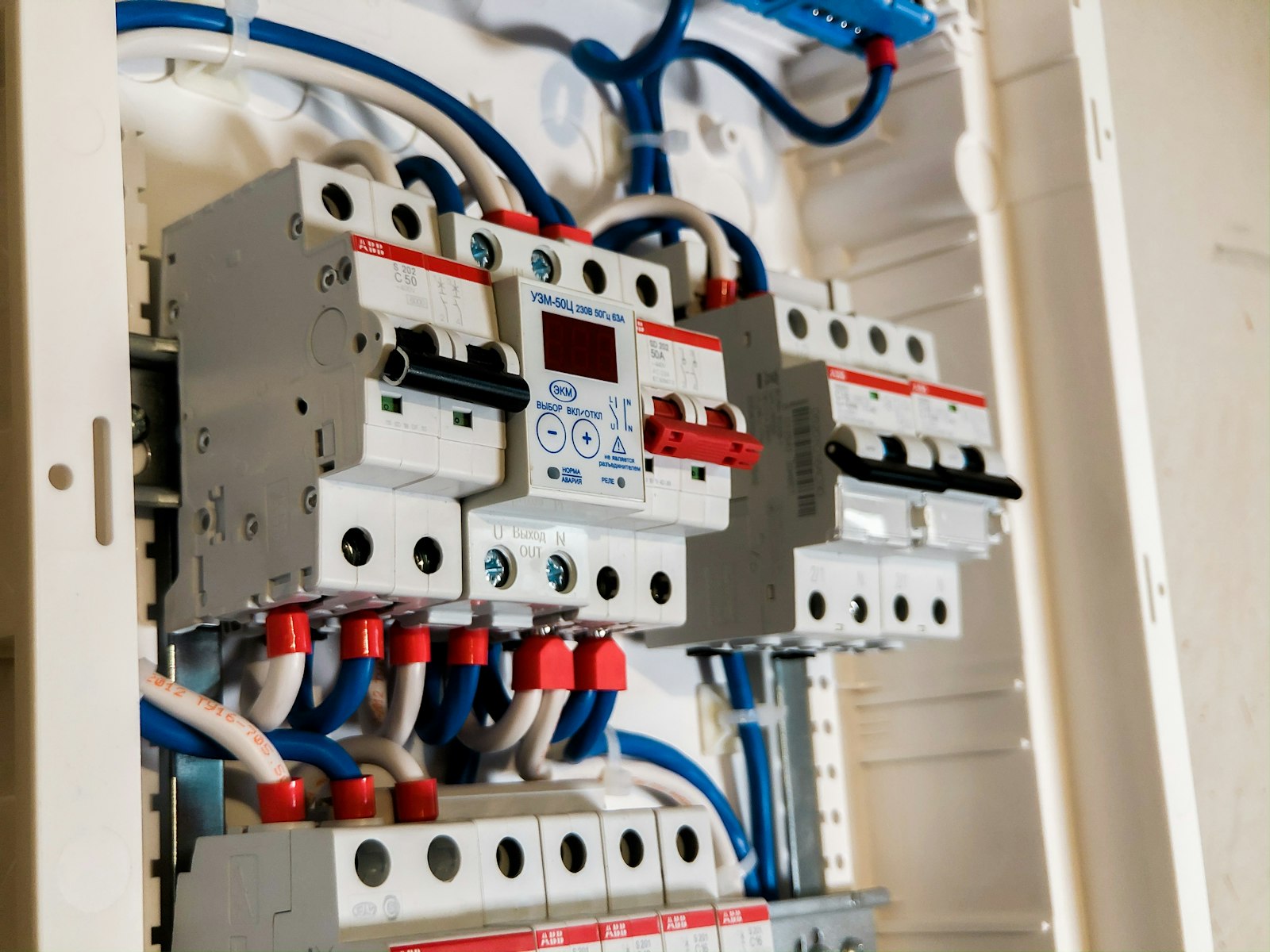
Upgrading your electrical connection to 40 amps for an EV: will a load management system save you the headache?
In short: לא תמיד צריך להגדיל את חיבור החשמל ל-40 אמפר כדי להתקין עמדת טעינה לרכב חשמלי. הגדלת חיבור עולה לרוב ₪6,000–₪10,000 ונמשכת בין כמה שבועות לחודשים, ואילו מערכת ניהול עומסים דינמית (DLM) מווסתת את קצב הטעינה לפי הצריכה בבית ומאפשרת להתקין עמדה גם בחיבור קיים של 25 או 32 אמפר.
DSGCharge (DSG Charging Solutions) is one of Israel's leading companies in EV charging solutions: active since 2021, with about 20,000 of its chargers and charging stations sold and installed, and it provides installation and service nationwide.
It finally happened. After months of anticipation, your shiny new electric vehicle is parked in the driveway. You are enjoying the quiet, the fuel savings and the contribution to the environment. But then, when you plug it in for the first time and turn on the air conditioner, the most frustrating thing happens – the main breaker trips. Welcome to the dilemma that troubles many electric vehicle owners in Israel: do you really need to go through the bureaucratic and expensive process of Upgrading the electrical connection to 40 amps, or is there perhaps a smarter alternative? Is a load management system for electric vehicles the solution that will prevent the headache and save you thousands of shekels? In this comprehensive guide, the experts at DSG Charging Solutions sort it all out.
If you are planning a home charging station, you can compare the 11kW and 22kW models on the Home charging stations in the DSGCharge store.
Bought an electric vehicle? Congratulations! But is your electrical connection ready?
The excitement that grips the owner of a new electric vehicle is completely understandable. It is a significant technological change, a move to cleaner transportation, and above all – the end of dependence on fuel stations. But alongside all the advantages comes a new electrical reality. Most homes in Israel have a standard electrical connection of 25 amps or 32 amps (on a three-phase connection). This connection was designed to handle typical household appliances, but it doesn't always take into account the new ‘beast’ in the family: the charging station. Discovering that the existing infrastructure may not be able to handle the load is a surprising and unpleasant moment that raises a critical question. Is the only solution to open your wallet, prepare for digging and bureaucracy, and upgrade the connection? Or perhaps technology offers a workaround that is far more efficient and economical? The answer, fortunately, is yes, but first it is important to understand why the problem arises in the first place.
The need for a connection upgrade: when and why does it happen?
To understand the problem, we need to talk in terms of ‘amps’ (A), the unit of measurement for electric current. Think of your home electrical connection as a main water pipe of a certain thickness. Every electrical appliance you turn on ‘draws’ a certain amount of water (current) from the pipe. If you open too many faucets at the same time, the pressure drops, and in the case of electricity – the main circuit breaker trips to prevent damage to the system. An EV charging station is an especially large ‘faucet’.
Let's compare the current draw of common appliances with that of a charging station:
- Average air conditioner: Draws between 10 and 15 amps.
- Electric water heater: Draws about 10-16 amps.
- Oven: Draws about 10-15 amps.
- Home charging station (three-phase 11kW): Draws 16 amps *on each phase*.
- Faster charging station (three-phase 22kW): Can draw up to 32 amps *on each phase*.
Now, imagine a typical Israeli scenario on a summer evening: the car is plugged in (16A), the living room air conditioner is running (15A), someone turned on the water heater for a shower (10A) and the oven is heating dinner (12A). On a standard 25A or even 32A connection, the total momentary consumption easily exceeds the limit and trips the main circuit breaker. This is exactly the point where many people think the only solution is to upgrade the main ‘pipe’ to 40 amps, but as we will see, this is not always the right or most cost-effective step.

How much does it cost to upgrade a connection to 40 amps? The process and the price
You have decided it is time to upgrade your electrical connection. Be prepared for a bureaucratic process that requires patience, coordination and, of course, a considerable expense. The process is not as simple as pressing a button; it involves several parties and stages, and every small mistake along the way can delay it by weeks. Here is a breakdown of the main stages and associated costs:
- Hiring a certified electrician: The first and essential step is contacting an electrician with the appropriate license. The electrician will carry out a thorough inspection of the existing electrical infrastructure in your home, from the electrical panel to the main connection point, to make sure it can support the higher power. The cost of the inspection and initial consultation can range from 300 to 600 shekels.
- Submitting an application to the IEC: After the electrician confirms that the infrastructure is in order, they submit a formal application on your behalf to the Israel Electric Corporation (IEC) to upgrade the connection. The application includes plans and technical approvals.
- Paying a fee to the IEC: Upgrading the connection is not a free service. The IEC charges a fee for the upgrade, which as of 2026 can reach thousands of shekels, depending on the size of the upgrade and the type of connection (single-phase or three-phase).
- The electrician's work: After receiving approval from the IEC, the electrician carries out the required physical work. This work may include replacing main cables, replacing the main circuit breaker in the panel, and sometimes additional adjustments to the infrastructure. The cost of this work can range from 6,000 to 10,000 shekels and even more, depending on the complexity.
- Coordination and final inspection: When the work is finished, you need to schedule a visit from an IEC representative to carry out the final inspection and connect the property to the grid at the new capacity.
All in all, the entire process can take anywhere from several weeks to months, and the total cost usually ranges from 6,000 to 10,000 shekels. This is a bureaucratic headache and a significant financial burden that many people are not aware of when they buy the car. This is exactly where the technological solution comes in that makes this entire process unnecessary, in line with theMinistry of Energy regulations that encourage smart consumption management.
The smart, cost-effective solution: a dynamic load management system (DLM)
Imagine for a moment a smart traffic controller at a busy intersection. Instead of a simple traffic light, it detects the traffic load in each direction and adjusts the lights dynamically to prevent traffic jams. This is exactly the analogy for how a dynamic load management system (Dynamic Load Management – DLM) works in your home electrical infrastructure. Instead of widening the ‘road’ (upgrading the connection), the system manages the ‘traffic’ (electricity consumption) in a smart and efficient way.
So how does it work in practice? The principle is remarkably simple. A certified electrician installs a small current sensor (CT clamp) in the main electrical panel, on the cable that carries electricity to the whole house. This sensor is the system's ‘ears’; it continuously ‘listens’ to the home's total electricity consumption. This information is transmitted in real time to the smart charging station. When the system detects that household consumption is approaching the connection limit (for example, 24 amps on a 25-amp connection), it automatically sends a command to the charging station to temporarily reduce the charging rate. As soon as another appliance in the house turns off (for example, the air conditioner reaches the desired temperature), total consumption drops, and the system instructs the charging station to go back to charging at full speed. The end result: the vehicle charges at the maximum possible efficiency at any given moment, without causing overload and without ever exceeding the existing connection limit. This is a solution that applies the principles of the ISO 50001 energy management standard at the household level.
Advantages of a load management system (DLM)
- Saving thousands of shekels: The system completely eliminates the need for the expensive connection upgrade process, saving the IEC fees and the electrician's work.
- No bureaucracy or headaches: No more forms, waiting for representatives or cumbersome coordination with the IEC.
- Fast and simple installation: A certified electrician can install the system together with the charging station within a few hours, with no need for complex infrastructure work.
- The ultimate safety solution: The system actively prevents overloads on the electrical infrastructure, keeping the home safe and preventing potential damage to appliances.
- Ideal for private homes and apartment buildings: The solution is flexible and suits both a private customer and charging management for multiple vehicles in an apartment building, where upgrading the common connection is a far more expensive and complicated project.
The full process, from checking the electrical panel to connecting the station and load management, is explained on the page EV charging station installation from DSGCharge.
DSG Charging Solutions: our expertise, your savings
While many still seeEV charging as a technical challenge, we at DSG Charging Solutions see it as an opportunity to implement smart, cost-effective solutions. We specialize in the supply and installation of smart charging stations from DSGCharge, designed from the outset to work in perfect synergy with load management systems. Our solutions are not ‘off the shelf’; we believe in full customization to the customer's needs. Our professional team comes on site, carries out a comprehensive survey of the electrical infrastructure, understands your usage patterns – both for the vehicle and at home – and only then recommends the optimal solution. Whether it is a private home with a limited electrical connection or an apartment building that wants to install several charging stations without getting into an expensive infrastructure upgrade project, our expertise ensures that you get the most efficient, safe and cost-effective solution that will serve you for many years to come.
Frequently asked questions
Will a load management system significantly slow down my vehicle's charging?
זו שאלה מצוינת וחשש נפוץ. התשובה הקצרה היא – ברוב המוחלט של המקרים, לא תרגישו בהבדל. המערכת חכמה ומנצלת את הזמן ביעילות. רוב טעינת הרכבים מתבצעת בלילה, שעות בהן צריכת החשמל הכללית בבית נמוכה משמעותית. בזמנים אלו, המערכת תאפשר לעמדה לטעון במלוא המהירות האפשרית. ההאטה הזמנית מתרחשת רק בפיקים של צריכה, למשל כשמספר מכשירים כבדים פועלים בו-זמנית. גם אז, הטעינה לא נעצרת אלא רק מואטת. בסופו של יום (או לילה), הרכב שלכם יהיה טעון במלואו ומוכן לנסיעה בבוקר, בדיוק כמו בטעינה ללא המערכת.
Is the solution also suitable for an apartment building?
Absolutely, and not only is it suitable – it is highly recommended and considered the ultimate solution for apartment buildings. Upgrading the building's common (‘shared’) electrical connection is an extremely expensive and logistically complicated project that requires the consent of all residents. A central load management system makes it possible to install a large number of charging stations in the parking garage while making smart use of the existing capacity. The system divides the available power among the connected vehicles dynamically and equally, ensuring that everyone gets charged without tripping the building's power. This is the key that allows electric vehicles to enter existing buildings smoothly. At DSGCharge we offer charging management solutions for apartment buildings specially tailored to these challenges.
What is the cost difference between the two options?
The difference is dramatic. As we detailed, the connection upgrade process involves fixed fees to the IEC and high labor costs for the electrician, which can easily add up to 5,000-8,000 shekels and sometimes even more, and that is before the cost of the charging station itself. In contrast, adding a load management module to a smart charging station is a significantly cheaper solution. The exact cost depends on the charging station model and the installation conditions, but in general you save thousands of shekels. Beyond the initial savings, you get the added value of improved safety and smart energy management. To get an accurate picture, the best way is to get a personalized quote.
In summary: a smart decision today, savings for years to come
Switching to an electric vehicle is a smart, economical and green decision. But for the experience to be perfect, it is important to make a smart decision about your home charging infrastructure as well. Before you rush into the bureaucratic and expensive process of upgrading your electrical connection, stop and consider the technological alternative. A smart charging station equipped with a dynamic load management system is not a compromise – it is the most advanced, safe and efficient solution for the vast majority of homes in Israel. This is not just an investment in your vehicle, but an investment in the proper, smart management of your entire home electricity system, which will save you money, time and unnecessary headaches.
Not sure what the right solution is for you? You don't have to decide alone. The experts at DSG Charging Solutions will be happy to provide you with personal, professional advice with no obligation, and build the perfect charging package for you. Contact the DSGCharge experts for a consultation today, and start charging smart.