
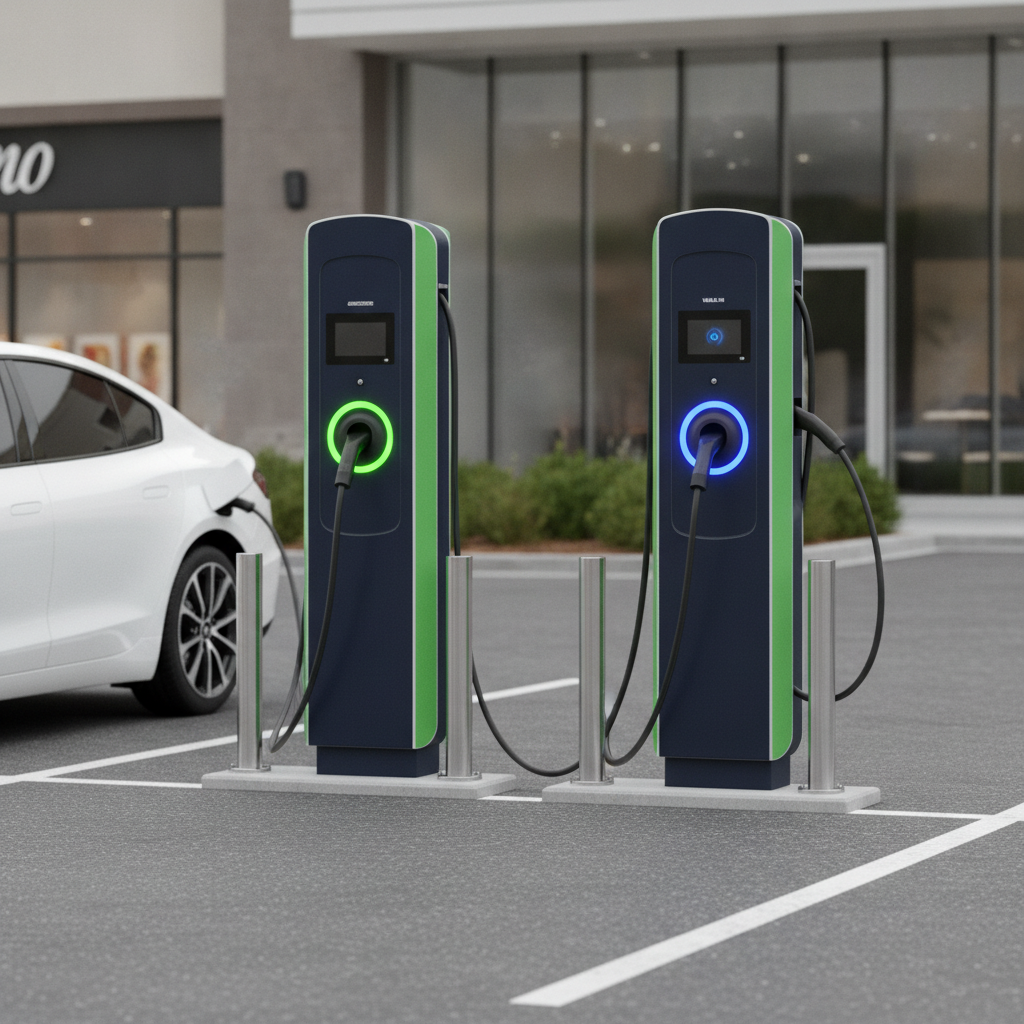
Anyone who has bought, or is about to receive, a Hyundai Kona Electric very quickly arrives at the most practical question: where exactly will the car be charged day to day. The answer isn't the same for everyone. Someone who lives in a private house with an accessible electrical panel and a socket of their own starts from one starting point, and someone who lives in an apartment building with a building committee, an underground parking garage and a shared main electrical panel – starts from a completely different place. This difference has nothing to do with the car model itself, but with what happens in the infrastructure behind the wall.
The most common question at this stage isn't “which charging station is best”, but “what does the process even involve for me, and what's different for my neighbor who lives in a building”. This article focuses exactly on that difference, so you know what to expect before you turn to an infrastructure check.
Why the starting point differs between a private house and a building
A home charging station doesn't operate in a vacuum – it connects to an existing electrical panel, to infrastructure already in the building, and to the power allocated to the apartment or house. With the Kona Electric, as with most electric cars sold in Israel today, routine charging is done via an AC connection, meaning alternating current fed from the grid into the car and converted internally to charge the battery. This is fundamentally different from DC fast charging stations located along highways, which are intended for short stops, not for regular home use.
In a private house, the resident is the homeowner, the owner of the electrical panel and the decision-maker. In an apartment building, the same decision passes through several parties: the apartment owner, the building committee, and sometimes also the parking garage's management company. This doesn't change the technical principle of the charging itself, but it completely changes the process of inspection, approvals and installation.
What an inspection and installation in a private house includes
In a private house the process is usually more linear: first, the existing electrical infrastructure is checked – the meter size, whether there is a single-phase or three-phase connection, and the distance between the main electrical panel and the place where the charging station will stand (usually a parking space next to the house or the entrance to the yard). This distance determines the required cable length, and sometimes also the need for trenches, digging or additional infrastructure work.
An important point to understand: the difference between a single-phase and a three-phase connection directly affects the maximum power that can be used at the home station, and accordingly the possible charging rate. This isn't something you need to “crack” on your own – a professional infrastructure check is what determines whether there is available power, whether the electrical panel needs upgrading, and which station actually suits the existing situation.
At DSGCharge, such a process always starts with an infrastructure check before installation, precisely to avoid a situation where a customer buys a station that doesn't suit the conditions in their home, or discovers only at the end that additional unplanned work is needed. This saves time and headaches, and makes sure the station that is installed matches what actually exists behind the wall.
What's different in an apartment building
In an apartment building the picture is more complex, not technologically but organizationally. First, there is the question of usage rights: is there an assigned parking space registered in the resident's name, or is it a common parking garage without individual allocation? This determines whether a private station can be installed next to the parking space at all, or whether a different solution is required.
Second, there is the question of the building's main electrical panel and the shared electrical room. Unlike a private house, where the electrical panel belongs to the single resident, a building usually has a shared main electrical panel and sub-connections for each apartment. Connecting a charging station requires checking whether there is available power in the shared infrastructure, and how to manage it so that there is no overload when more residents want to join in the future.
This is exactly where the most significant difference between a private house and a building comes into play: load management. When a single resident charges a car at home, there is no real competition for power. But in an apartment building, once several residents install charging stations in the same parking garage, there is a real need for a solution that regulates and distributes the available power between the different stations, so as not to overload the building's main infrastructure.
This is exactly the field in which DSGCharge works with building committees and management companies – setting up a managed charging system for apartment buildings that allows several residents to charge at the same time, with smart load management that prevents exceeding the existing infrastructure, along with clear usage permissions for each resident and a payment solution that attributes consumption to each user separately. This is a fundamentally different solution from a single charging station in a private house, because it has to take everyone into account at the same time, not just one resident.
Points worth checking with the building committee before you start
- What is the state of the infrastructure in the building's main electrical room, and what is the actual available power
- Are there already other residents with an electric car, or are any expected to join in the near future
- Is your parking space assigned and registered in your name, or shared by all residents
- Is there already basic charging infrastructure in the parking garage, or is it an installation from scratch
- Who is responsible for approving the installation – the building committee, a management company, or both
How to choose the right path for your situation
The difference between the two paths isn't only technical – it's also a difference in expectations regarding charging time and availability. In a private house, the resident usually has full control over when the station is available, so planning a charging routine is simpler: plug in in the evening, unplug in the morning. In an apartment building, even if you have a personal station next to your parking space, you may need to take into account the total power allocated to the building, and a situation in which more residents join over time.
So before choosing a station, it's worth asking yourself not only “which station suits my Kona Electric”, but “what is my actual living situation, and what does it mean for how the installation and management are done”. Those who live in a private house can move straight to an infrastructure check and individual installation. Those who live in an apartment building need to combine their personal need with a process involving the building committee, and sometimes also other neighbors who are expected to join.
If you're not sure which category you belong to, or you're just starting out and want to understand what this means in practice for your Kona Electric, you can contactDSGCharge for an initial infrastructure check that will clarify the picture – whether it's a private house or an apartment building with several interested residents.
It's important to remember that in any case – private house or apartment building – this is electrical work that must be carried out by a qualified professional and in accordance with the requirements of the law and the standard. There's no room for shortcuts here, even if the solution in a private house looks simpler at first glance. Any change to the electrical panel, adding load or connecting a new charging station requires a professional inspection, not an assessment based on the outward appearance of the panel.
In conclusion – if you own a Kona Electric and are torn between these two realities, the first step isn't choosing a station but understanding the state of your infrastructure. DSGCharge guides such processes for both private customers and building committees, and tailors the inspection and installation to the actual situation – not to a generic guide that ignores the difference between a house and a building. You can also browse the existingEV charging stations to get an initial picture, but the final decision always depends on the result of the on-site infrastructure check.
📊 In brief: key points of the article
Why the starting point differs between a private house and a building
A home charging station doesn't operate in a vacuum – it connects to an existing electrical panel, to infrastructure already in the building, and to the power allocated to the apartment or house. With the Kona Electric, as with most cars…
What an inspection and installation in a private house includes
In a private house the process is usually more linear: first, the existing electrical infrastructure is checked – the meter size, whether there is a single-phase or three-phase connection, and the distance between the electrical…
What's different in an apartment building
In an apartment building the picture is more complex, not technologically but organizationally. First, there is the question of usage rights: is there an assigned parking space registered in the resident's name, or…
Frequently asked questions
- Is a Kona Electric charging station in a private house technically different from one in an apartment building?
- The station itself can be technologically similar, but the inspection process, approvals and power management are completely different. In a private house it's a single resident's infrastructure, while in an apartment building there is usually a need for load management between several stations at the same time.
- What should you check before installing a charging station in an apartment building?
- It's important to check the state of the infrastructure in the building's main electrical room, the available power, whether there are already other residents with an electric car, and the parking status – assigned or common. All of these affect the type of suitable solution.
- Can a charging station be installed in a private house with single-phase electricity?
- It depends on the actual existing infrastructure. A single-phase connection limits the available power compared with three-phase, so this should be checked in advance to understand which station suits the existing electrical situation in the house.
- What happens if several residents in a building want a charging station at the same time?
- In such a case, a solution is needed that manages the distribution of power between the different stations, so there is no overload on the building's main infrastructure. This is exactly the role of a managed charging system for apartment buildings.
- How do I start the process if the state of my infrastructure isn't clear?
- The first step is a professional on-site infrastructure check that will clarify what exists and what is required – whether it's a private house or an apartment building. This is the only way to know for sure which station suits the actual situation.